How My Landlord Approved My ESA Letter Without Any Hassle
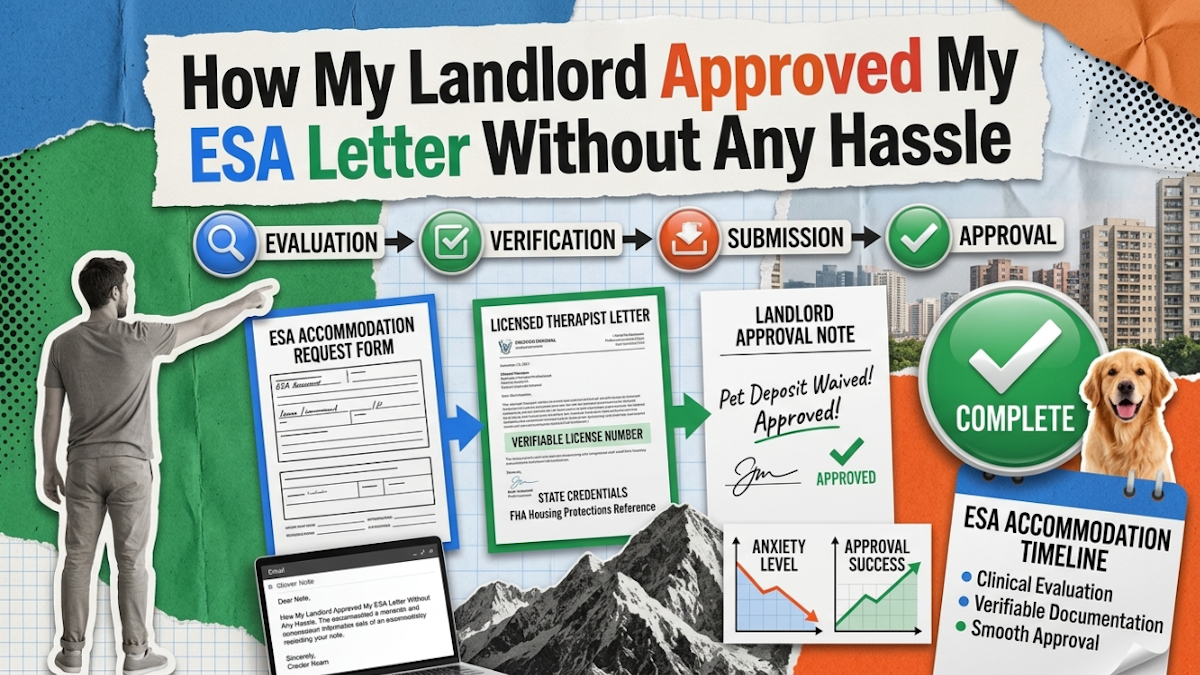
Getting an ESA letter approved by a landlord can feel like a big unknown. You do not know if they will push back, ask for more documents, or just ignore your request altogether. That was exactly where I was a few months ago. I needed an ESA letter for my dog, Bruno, and I was renting an apartment in a building with a strict no pets policy. What surprised me most was how smooth the whole process turned out to be. My landlord approved my ESA letter without any questions asked, and I want to walk you through exactly how that happened.
The key was not luck. It came down to using RealESALetter.com, a service that gave me a letter with everything a landlord or property manager actually needs to see. When the documentation is complete, professional, and legally backed, landlords rarely push back. That is the part most people do not think about before they go looking for an ESA letter online.
Before I get into the full story, here is a quick overview of what made the process work from start to finish. These were the six things that kept everything moving without any back and forth.
- The evaluation process felt like a real clinical conversation
- The letter was ready within 24 hours
- It included the therapist's license number and state credentials
- The letter referenced FHA protections clearly
- I submitted it the right way with a brief note
- My landlord had everything she needed to approve it on the spot
Now let's walk through each of these in detail so you know exactly what to expect and how to set yourself up for the same outcome.
The Evaluation Did Not Feel Like a Checkbox Exercise
A lot of people worry that online ESA evaluations are just a quick form you fill out and get approved automatically. That was not my experience with RealESALetter.com. The licensed therapist I spoke with asked me real questions about how my anxiety affects my daily routine, my sleep, my ability to leave the house, and how having Bruno helps me manage those moments.
It felt more like a proper telehealth appointment than a checkout form. That matters because a letter that comes from a genuine clinical evaluation carries real weight. If a landlord ever questions whether the process was legitimate, the answer is backed by a licensed mental health professional who actually assessed your situation.
The Letter Was Ready Faster Than I Expected
I submitted my evaluation on a Tuesday evening. By Wednesday morning, the letter was in my inbox. That kind of turnaround made a difference because I was working against a lease signing timeline and could not afford to wait days.
Here is what the letter included when I opened it:
- Full name and credentials of the licensed therapist
- State license number and license type
- A clear statement that I qualify for an emotional support animal
- Bruno listed as my ESA by name and species
- Reference to the Fair Housing Act and my housing accommodation rights
- Professional letterhead and formatting
Every single detail a landlord would want to see was already there. I did not need to ask for anything additional or follow up to get a corrected version.
The Therapist's Credentials Were the Most Important Part
This is the section I want to spend the most time on because it is what I think made the biggest difference with my landlord.
When I emailed the letter to my property manager, she wrote back within two hours. She said she had looked up the therapist's license number on the state verification website and it came back valid. That was the moment she stopped treating it like a document to question and started treating it as something she had to legally honor.
A lot of ESA letters floating around online are missing this. They might look professional, but if there is no verifiable license number attached to a real, active therapist in your state, a landlord has every reason to dismiss it.
| What Weak ESA Letters Include | What a Strong ESA Letter Includes |
|---|---|
| Generic therapist name | Full name with professional title |
| No license number | State license number included |
| No state mentioned | State of licensure clearly stated |
| Vague accommodation language | Direct FHA housing accommodation reference |
| No patient identification | Your name and ESA animal listed |
| Standard template feel | Personalized clinical language |
The difference between these two columns is often the difference between getting approved and getting ignored.
How I Submitted the Letter Made a Difference Too
Getting the letter was only part of it. I also made sure I submitted it the right way. I did not just forward the PDF with no context. I wrote a short, polite email that said:
I am submitting a request for a reasonable accommodation under the Fair Housing Act for my emotional support animal. Please find my ESA letter attached, issued by a licensed mental health professional. I am happy to answer any questions.
That tone mattered. I was not demanding or defensive. I was clear about the legal basis without being aggressive. Property managers respond better when you are professional, because it signals that you know your rights and you are not going to disappear if they try to ignore you.
Here is what I included in the submission:
- A short cover note referencing the FHA
- The ESA letter as a PDF attachment
- My full name and unit number in the email
- A note that I was available to discuss if needed
Within 48 hours, I had written confirmation from my property manager that the accommodation was approved.
Bruno Got to Stay and the Pet Deposit Was Gone
The part that genuinely surprised me was not just the approval. It was that the property manager also confirmed the pet deposit I had been quoted was waived. I had been told before signing the lease that any pet would require a refundable deposit. Once the ESA letter was accepted, that charge disappeared completely.
This is something a lot of renters do not realize. An emotional support animal is not treated the same as a pet under the Fair Housing Act. You are not required to pay a pet deposit or extra monthly pet rent for an ESA. The letter is your documentation of a legitimate accommodation need, not just a permission slip to have an animal.
What the Process Looked Like From Start to Finish
Looking back at the full timeline, the whole thing from evaluation to approval took less than four days.
- Day 1: Completed the online evaluation with a licensed therapist
- Day 2: Received the ESA letter by email in the morning
- Day 2 (afternoon): Emailed the letter to my property manager with a cover note
- Day 3: Property manager confirmed she was reviewing it
- Day 4: Written approval received, pet deposit waived
For something I had been anxious about for weeks, it ended up being one of the easier parts of the whole moving process.
Tips If You Are About to Go Through This Process
If you are in a similar situation right now, here are the things I wish I had known from the start:
- Do not wait until the last minute. Start the evaluation process a week or two before you need to submit the letter. Rushing adds stress you do not need.
- Check that your service uses licensed therapists in your state. This is non negotiable. RealESALetter.com connects you with licensed mental health professionals in your state, which is what makes the letter hold up. A letter from someone who is not licensed in your state holds no weight with a landlord.
- Read the letter before submitting it. Make sure your name, your animal, and the therapist's credentials are all clearly visible.
- Write a short cover note with your submission. It sets a professional tone and shows you understand the legal framework.
- Know your rights under the FHA. Landlords cannot charge pet deposits for ESAs. They also cannot deny an accommodation without a valid legal reason.
- Follow up if you do not hear back in 48 hours. A polite follow up email keeps things moving and shows you are serious.
Why Having the Right Letter Changes Everything
The reason my landlord approved my ESA letter without any hassle was not that she was unusually understanding. It was that the letter I handed her was impossible to argue with.
It had a real therapist's name. It had a verifiable license number. It named Bruno specifically. It cited the Fair Housing Act. There was nothing missing and nothing vague. When a document is complete and backed by a licensed professional, it removes every reason a landlord has to say no.
If you are going through something similar, the emotional side of it is real. The worry about whether your pet will have to go, whether your landlord will make things difficult, whether the process will be too complicated. I felt all of that. But when the documentation is right, those worries tend to dissolve faster than you expect. RealESALetter.com gave me a letter that left nothing open to debate. Bruno is still with me, the deposit never happened, and I have not thought about it since.